
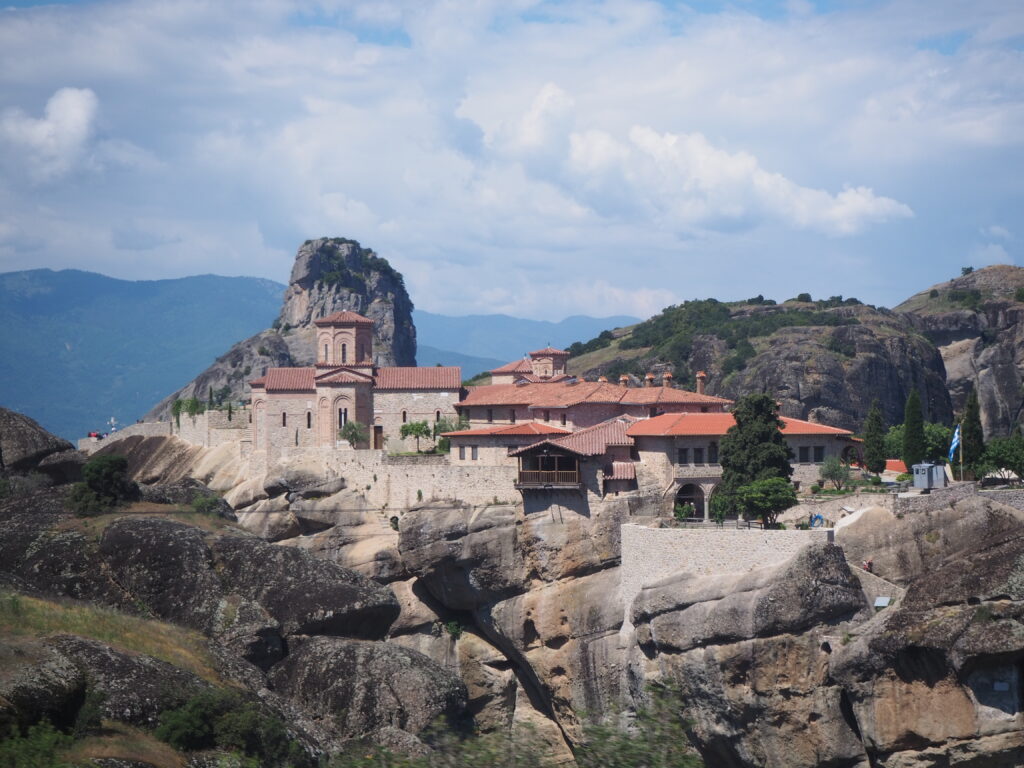
Form Thessaloniki, we took a day trip out into the heartland of Greece. On the mainland, there were two things we wanted to see, Mount Olympus, and the monasteries of Meteora. We hit both.
We got on a tour bus with 40 other people early in the morning to go the three hours to Meteora. There would be a drive by of the famed mountain, and that would have to do for us. You can hike up, and its something we considered, but we just didn’t have the time. The bus itself was a fairly easy ride. After Nepal, we do not take good, smooth wide roads for granted any more. Leg room, It was great.
The first stop was at some sort of coffee break place, with a perfectly clear view of Mount Olympus. We got really lucky with the weather again, and had a perfectly great view of the mountain peak. I guess its usually covered in fog. According to Greek mythology, this was where the gods lived. And its normally shrouded in fog, so the legend makes sense this way. But from the Himalayas where we just were it looked hike a very impressive snowcapped hill. A good day hike to the top. Beautiful though. Not sure why the ancient Greeks just didn’t check up top.
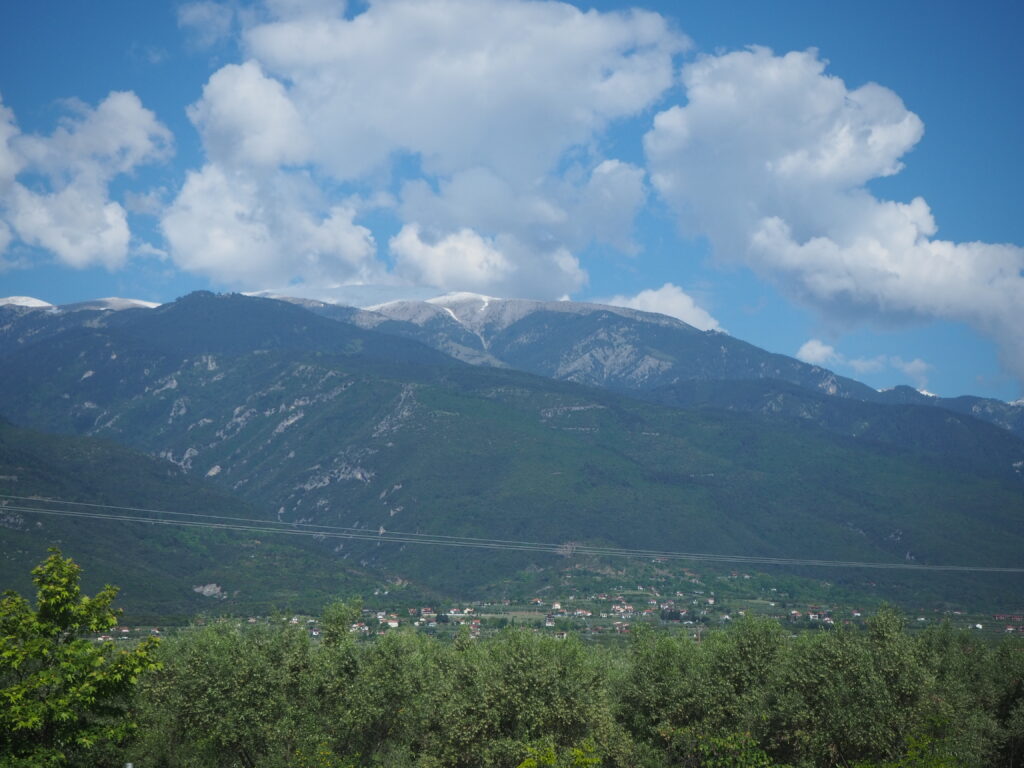
The countryside was very lush and green. The farmland and farmhouses are all well kept. The colour combination for the green crops and red-orange terracotta rooves make for a lovely view. We did nap on the bus though, and missed most of it.
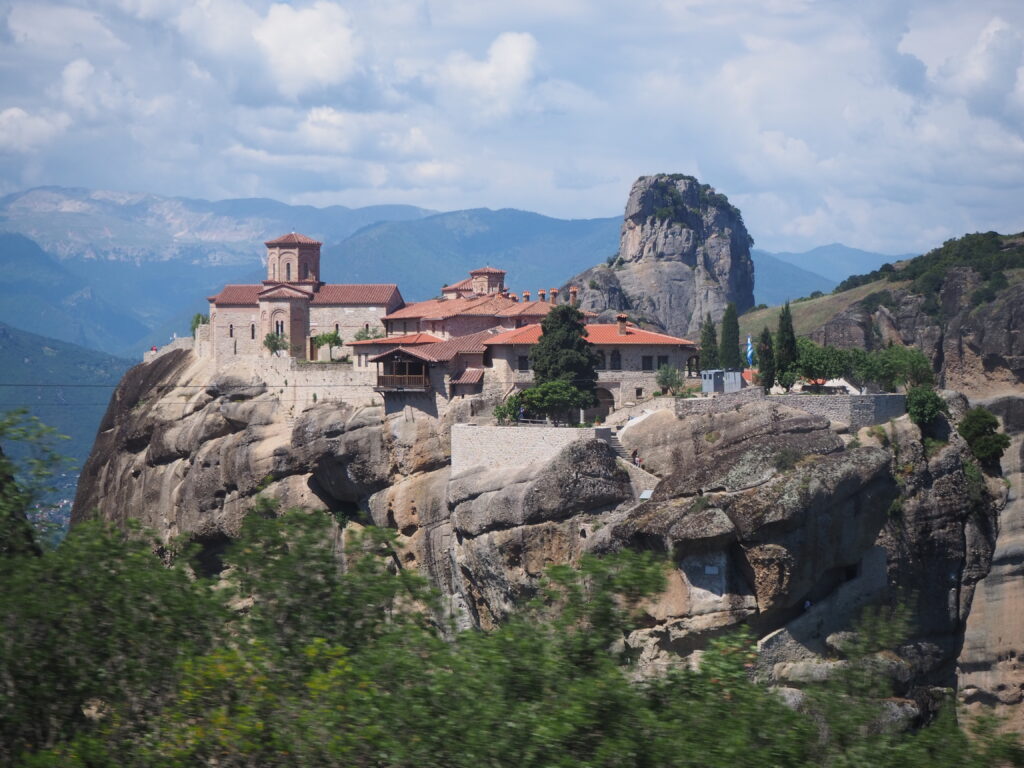
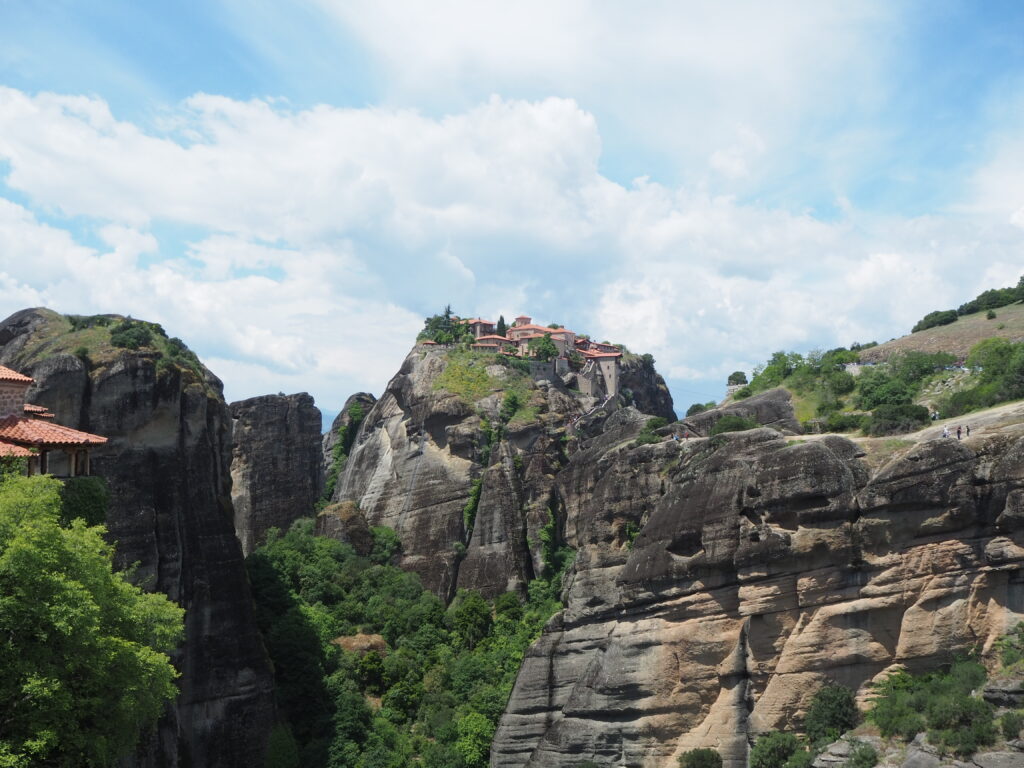
The Meteroa historic site is a collection of 24 still standing Eastern Orthodox monasteries that were built on the tops of steep cliff faces, located just outside the town of Kalabaka. They were first built by hermit monks who just wanted some peace from 12th century local political turmoil, and then became more populated as the monks wanted to escape persecution by the invading Muslim Ottomans in the 14th and 15th centuries. Today, six are they are still in practice, but have their days interrupted by thousands of tourists daily.
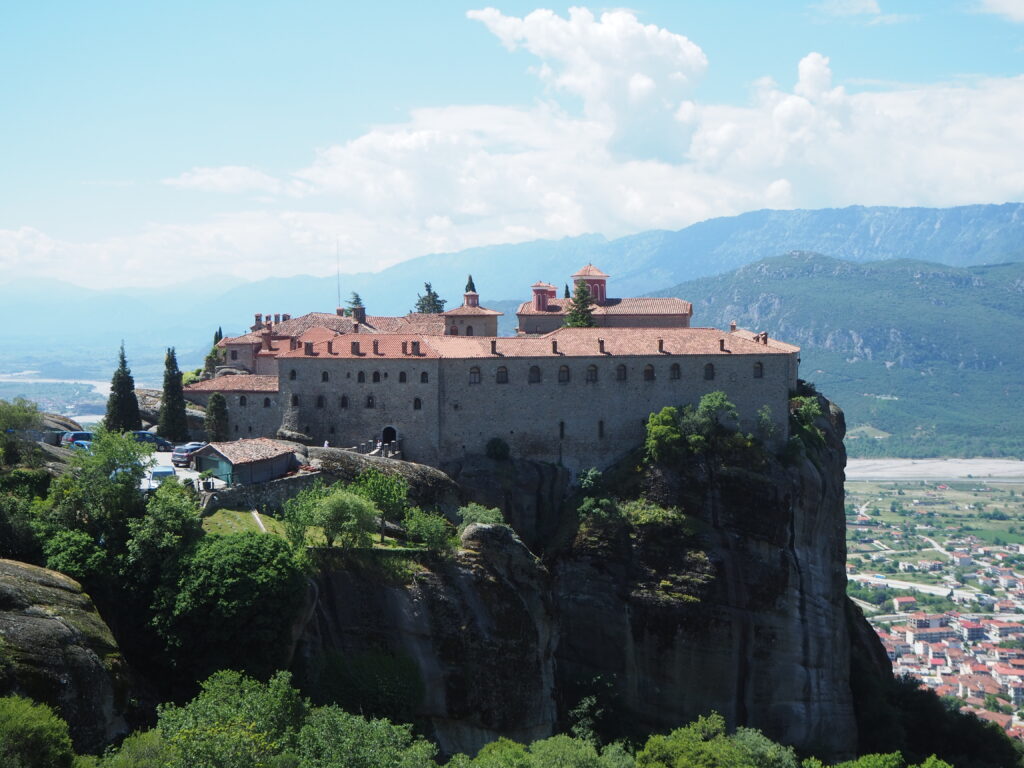
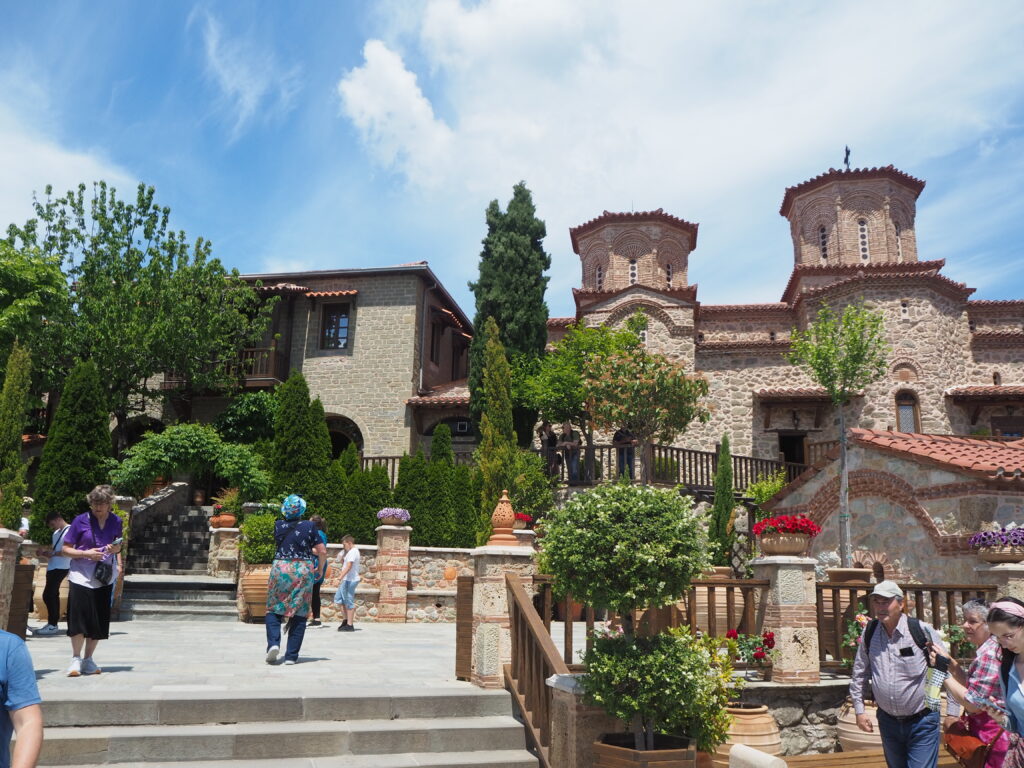
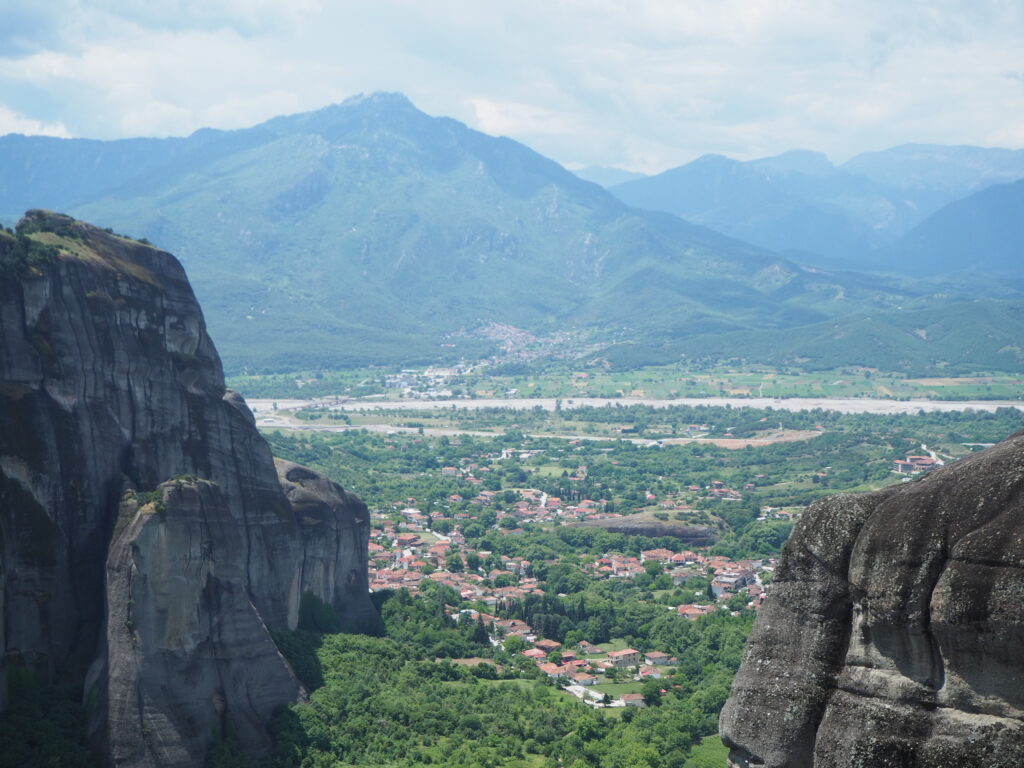
These monasteries perch beautifully on top of the cliffs, overlooking the town of Kalabaka below. The first stop for us was Monastery de Saint Stephen, which is one of the largest and most accessible. The day trip arrived around 11, and as a result it was quite busy.
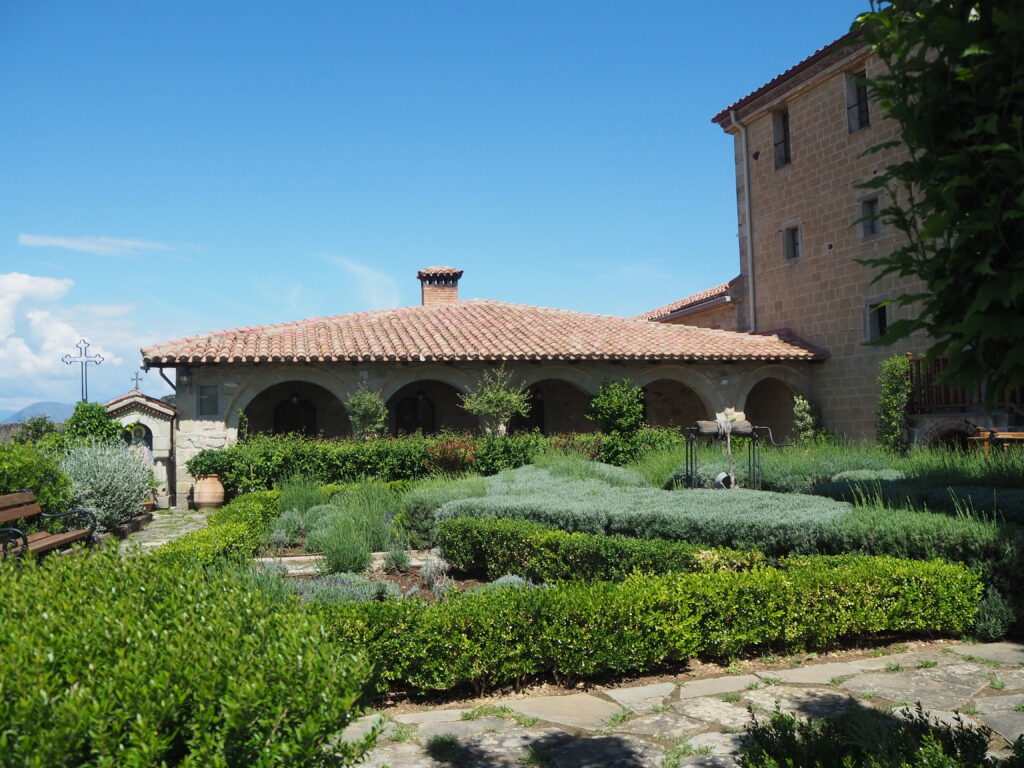
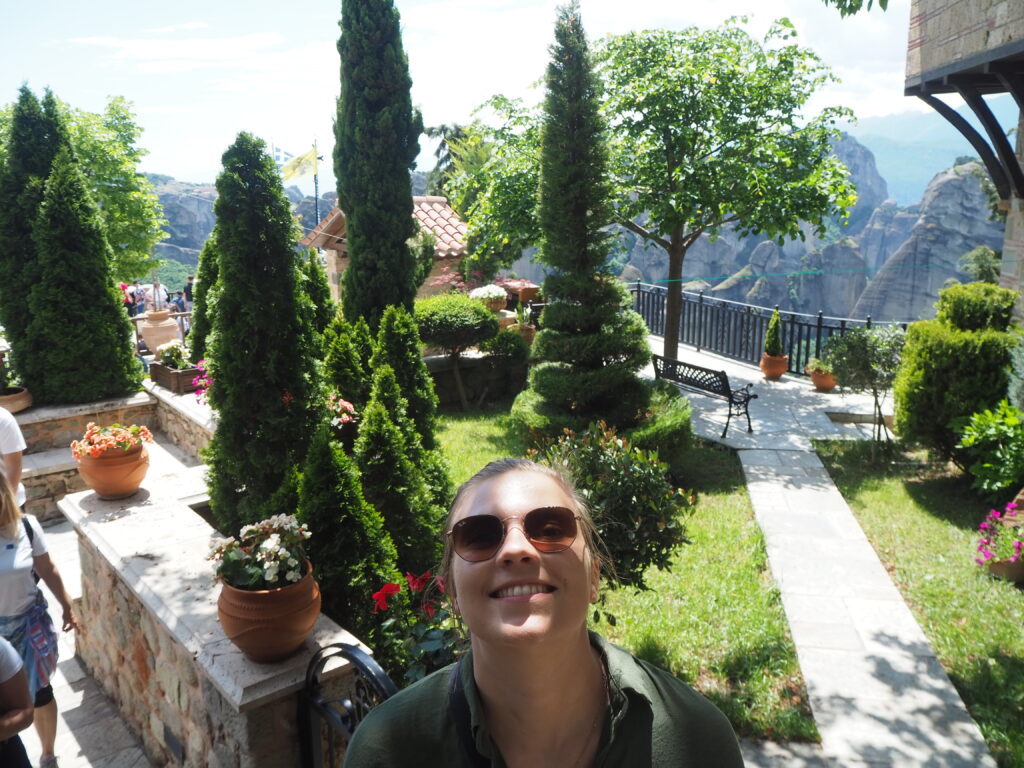
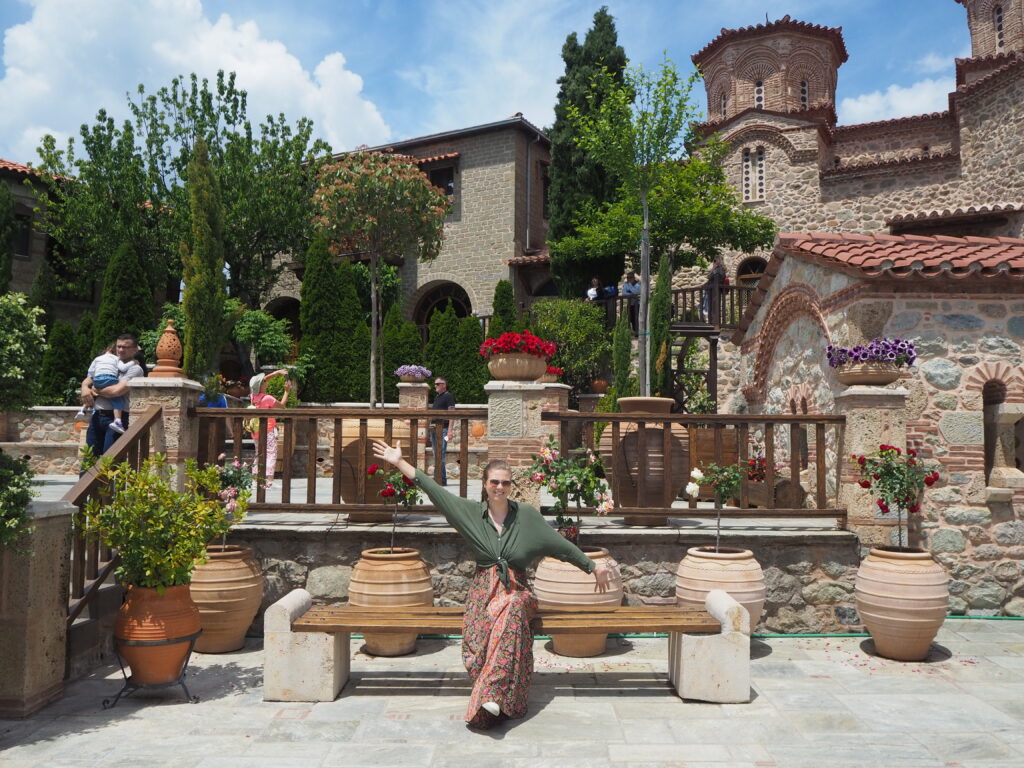
The courtyard was very well kept. The flowers of the gardens were all in bloom, giving life to various colour among the generally brown buildings. The buildings themselves were very nice as well, having seemingly recently gone under restoration recently. The church was a very small and cluttered church. All sorts of painted murals were on every wall, and there was a statue of some sort in front of each wall.
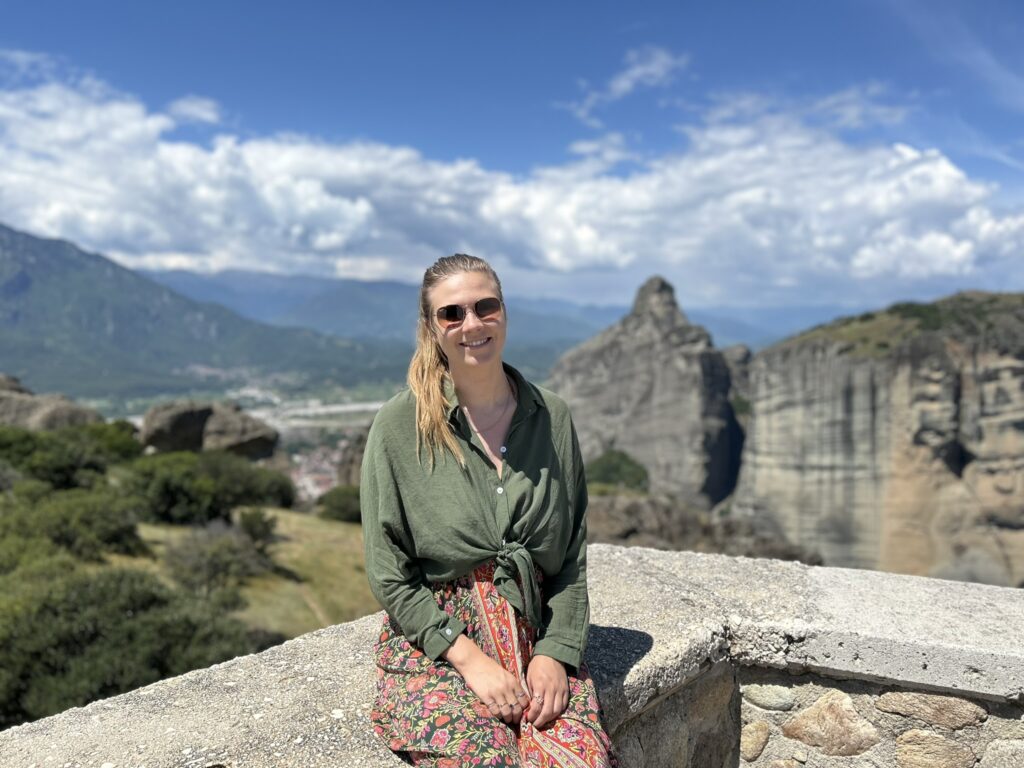
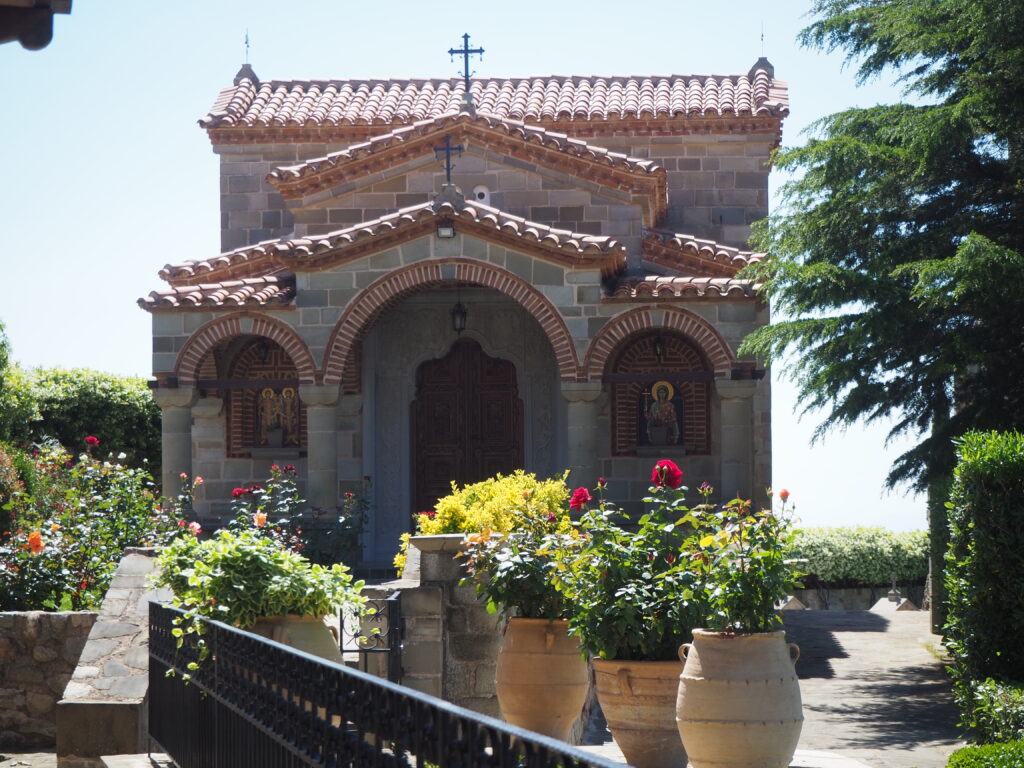
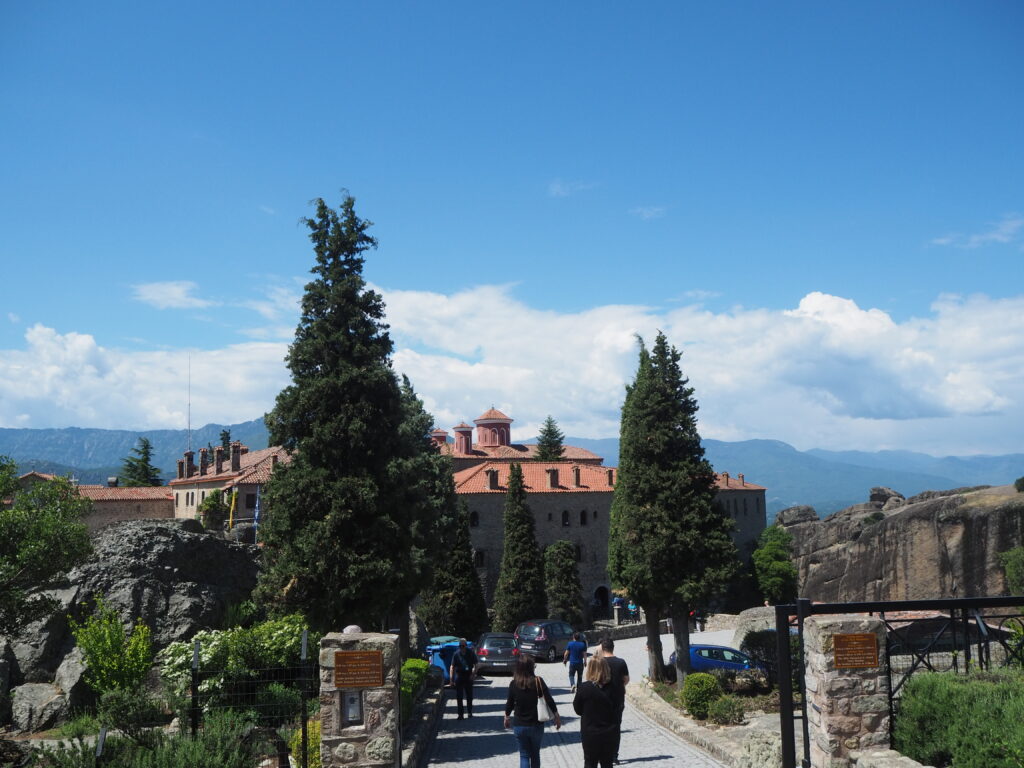
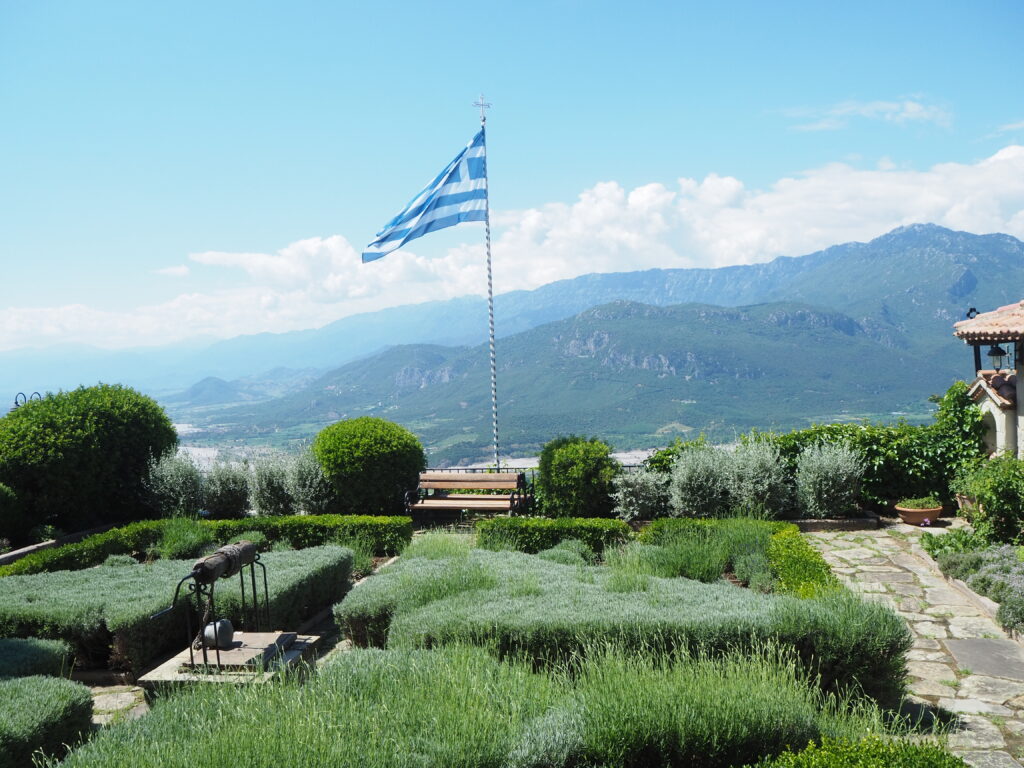
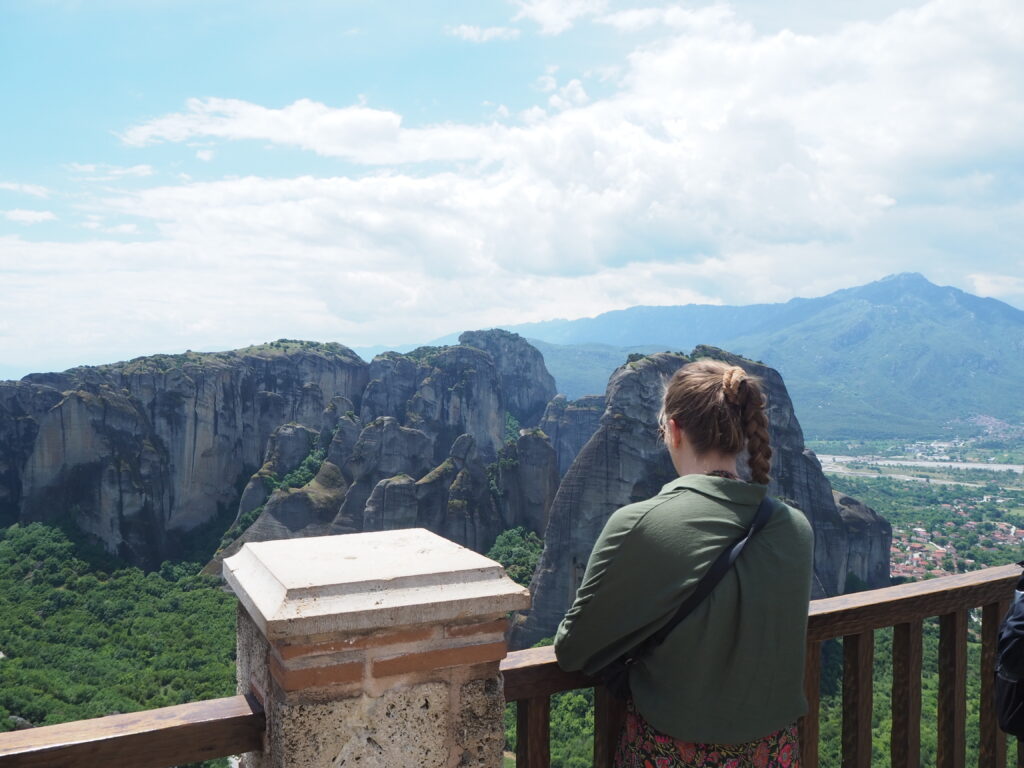
The views from the monastery were brilliant though. The whole valley was just wonderful to look out upon. A sea of farmland, rolling hills, and terra cotta roofs. From all around the monastery, both the inside and the grounds on the out, you could see all sorts of different angles facing south. We took a walk to another viewpoint, and just took it all in.
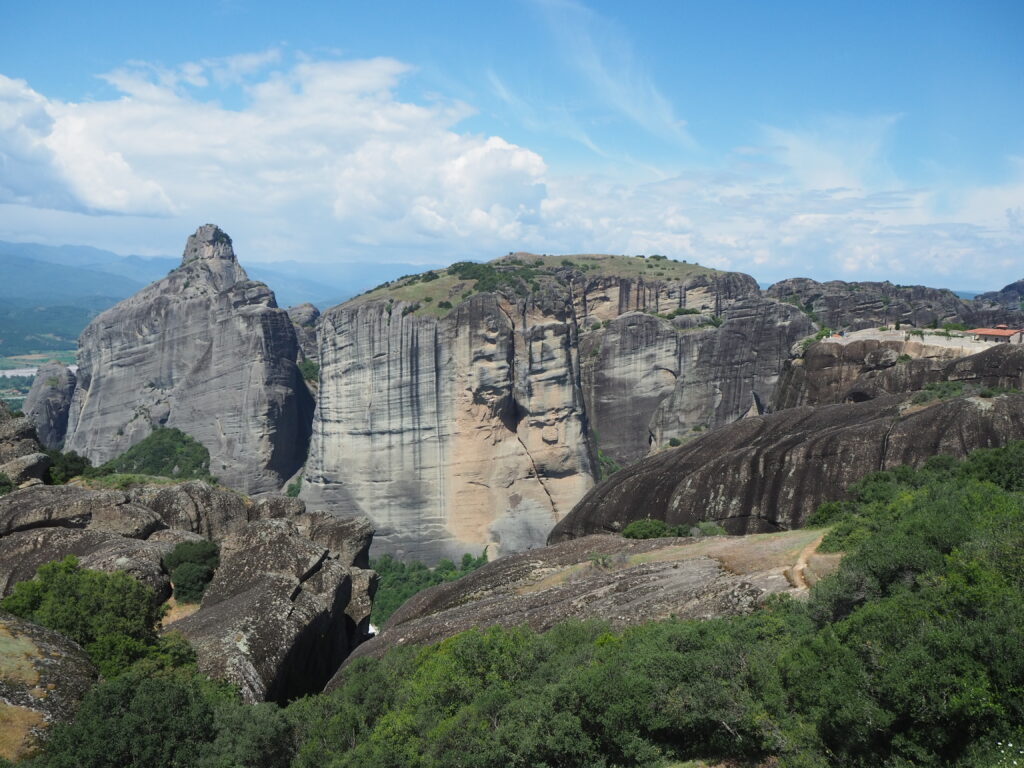
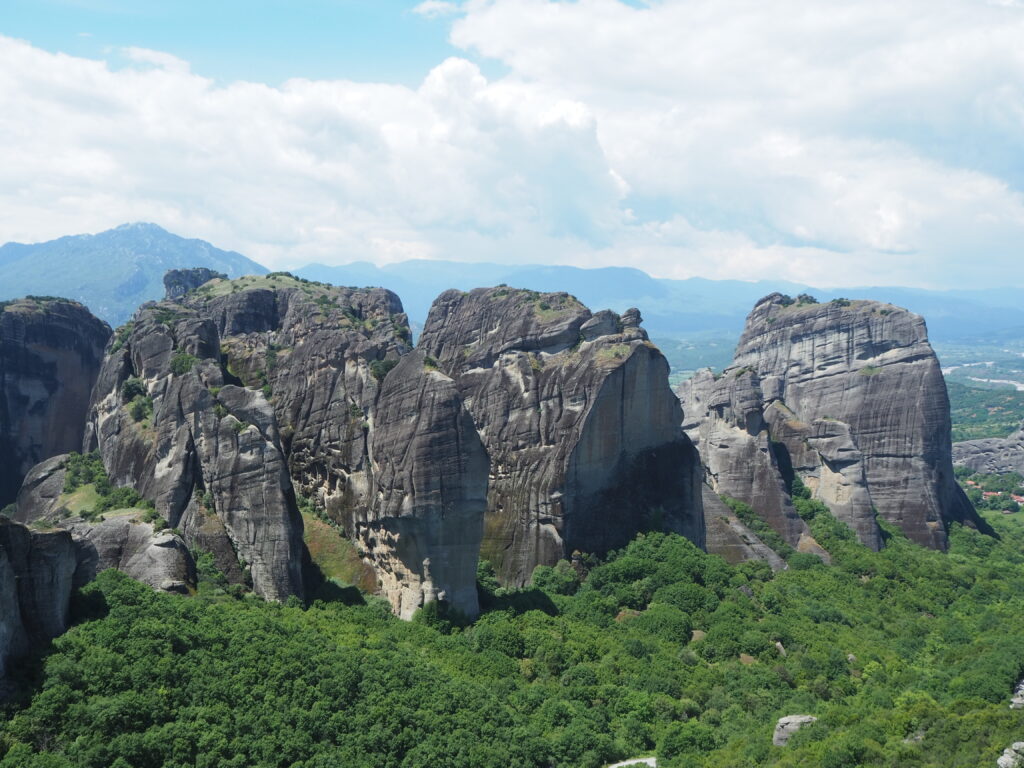
The next stop for the whole tour was a rocky outcropping viewpoint, where we could see the other five monastaries. I tried to plan an escape to be more independent, but realized we didn’t ahve a good way home if that was the case.
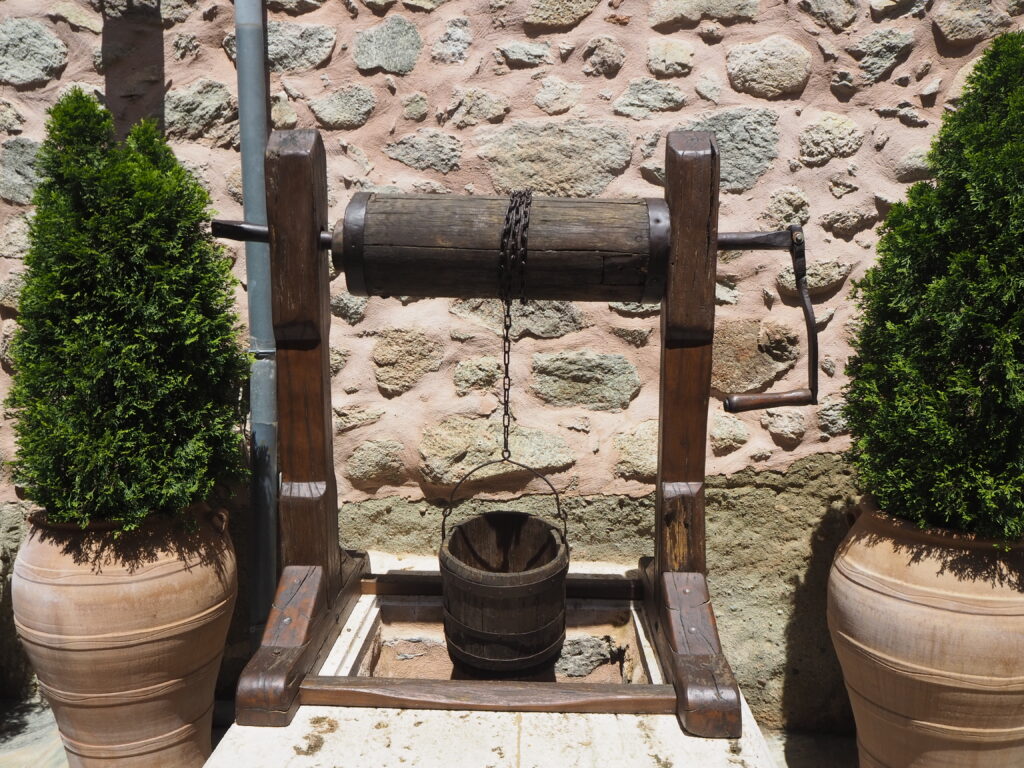
Each monastery had their own pillar of rock to be perched upon, as if a bird on the top of a tree, looking out to the valleys below. Historically the only way up was via ladder, which could be pulled up at any time at the sign of troubles. Goods would be hoisted up via pullies and buckets. I could not determine if a monastery hade ever fallen to attrition, but this doesn’t seem to be the case. they must have been well stocked. In modern times, bridges and stairs have been built to make reaching the monasteries easier. But it is still difficult for some. The most inaccessible takes an hour walking to get to, and you have to start from the base of the cliffs.
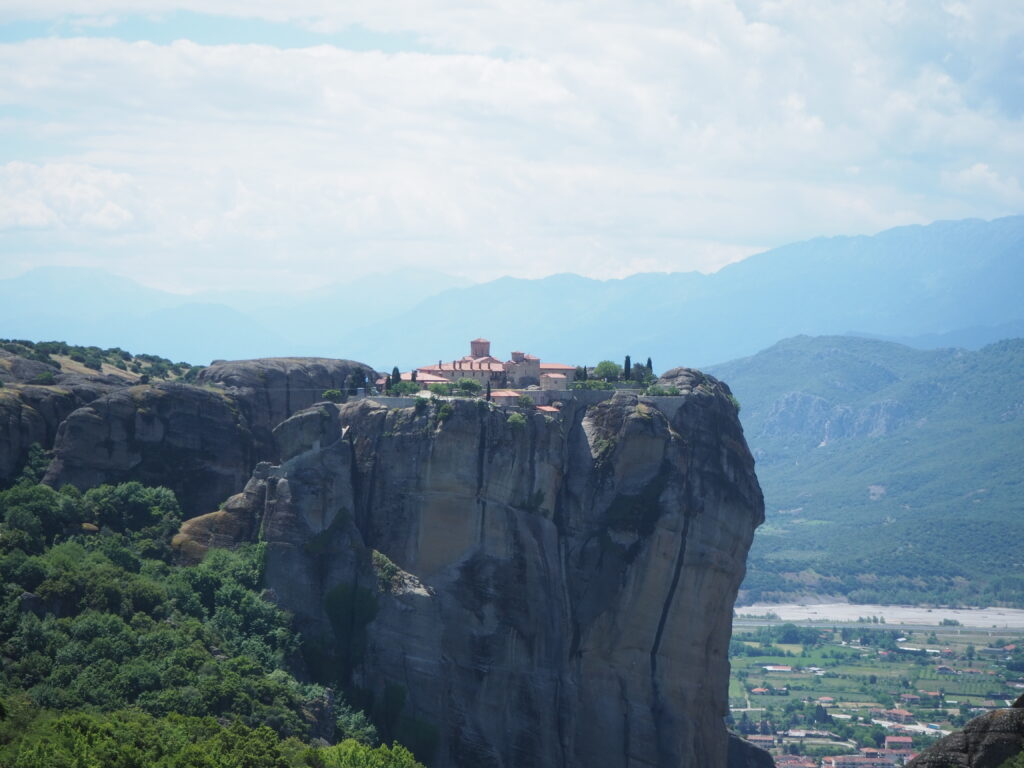
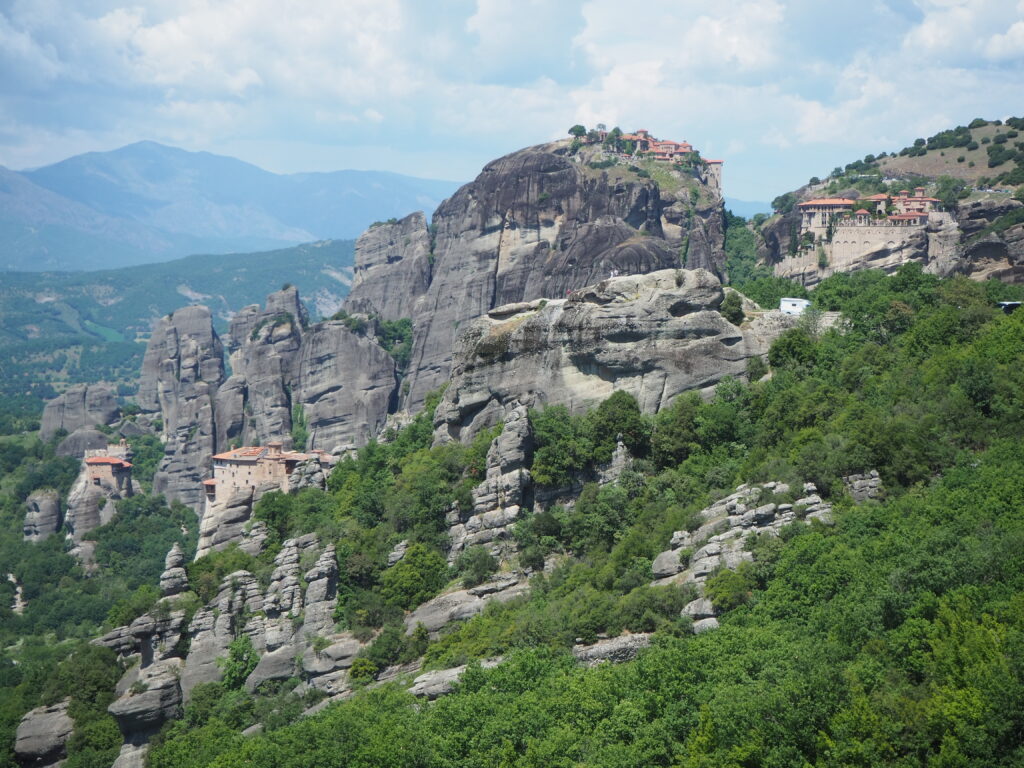
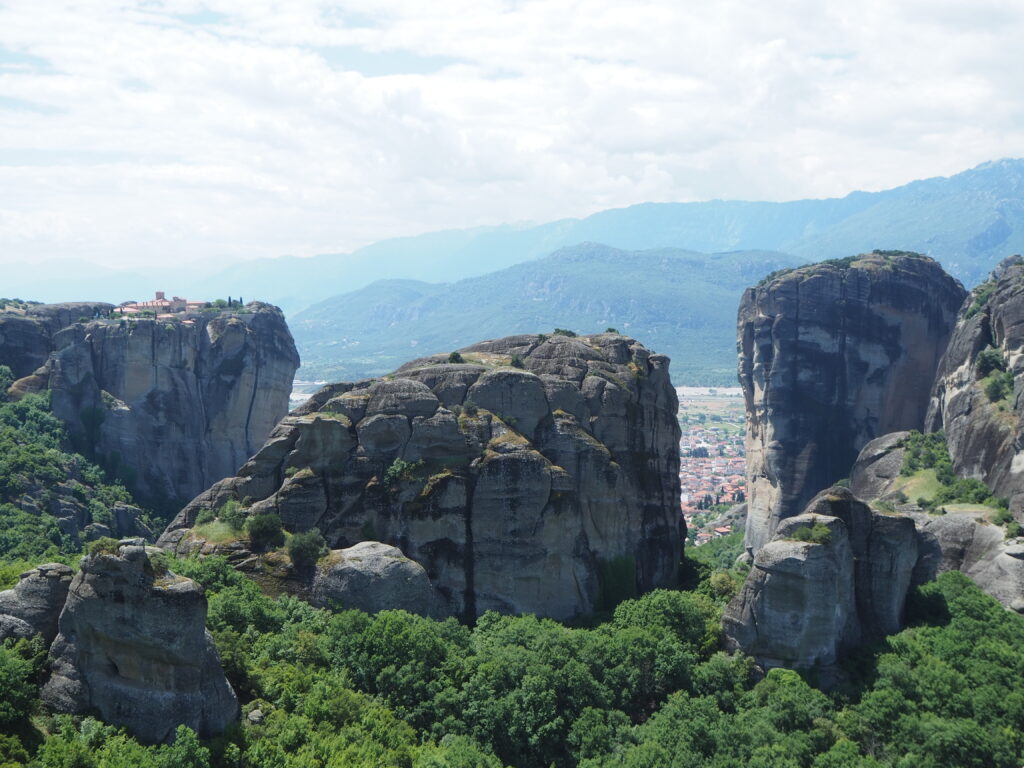
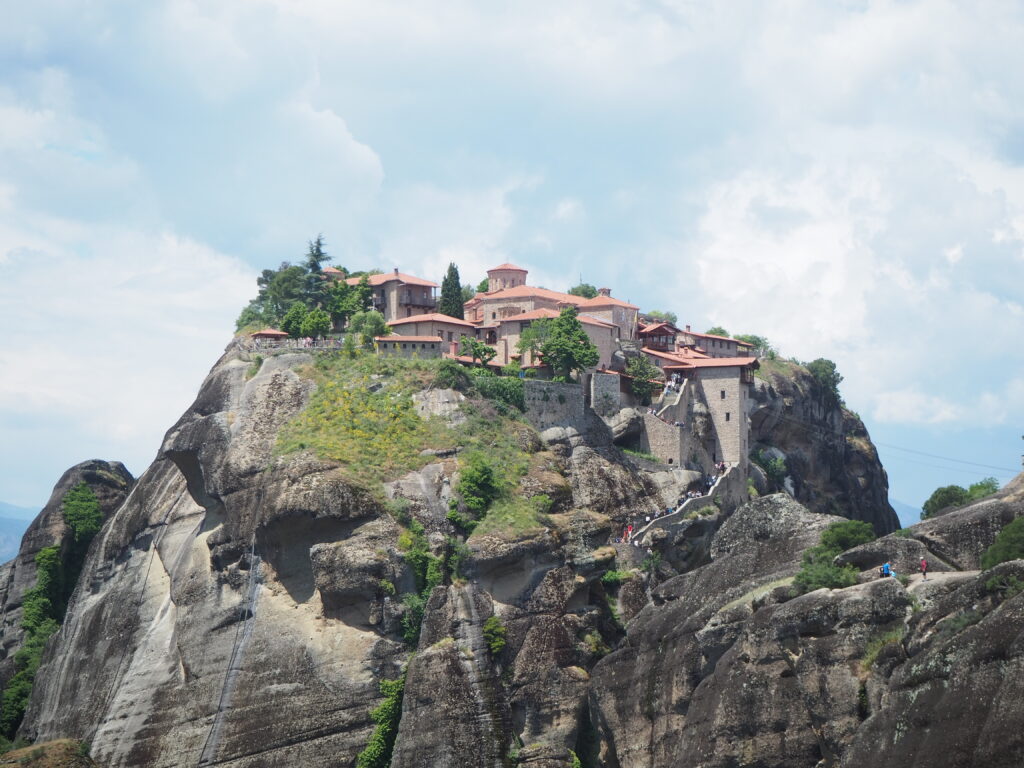
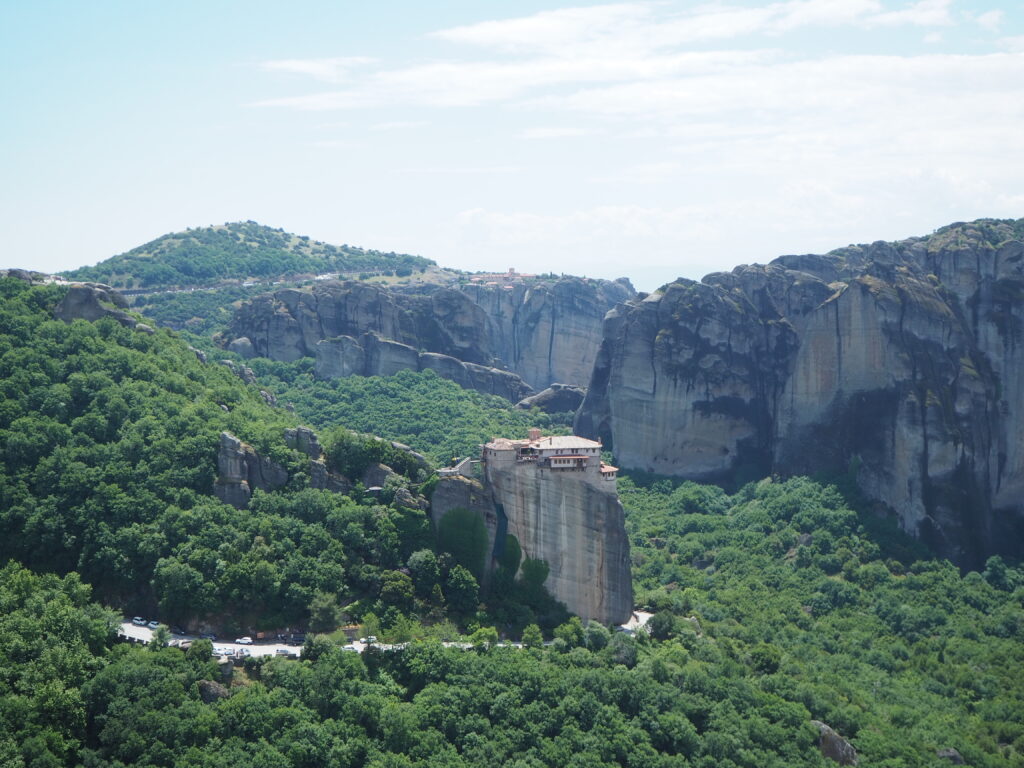
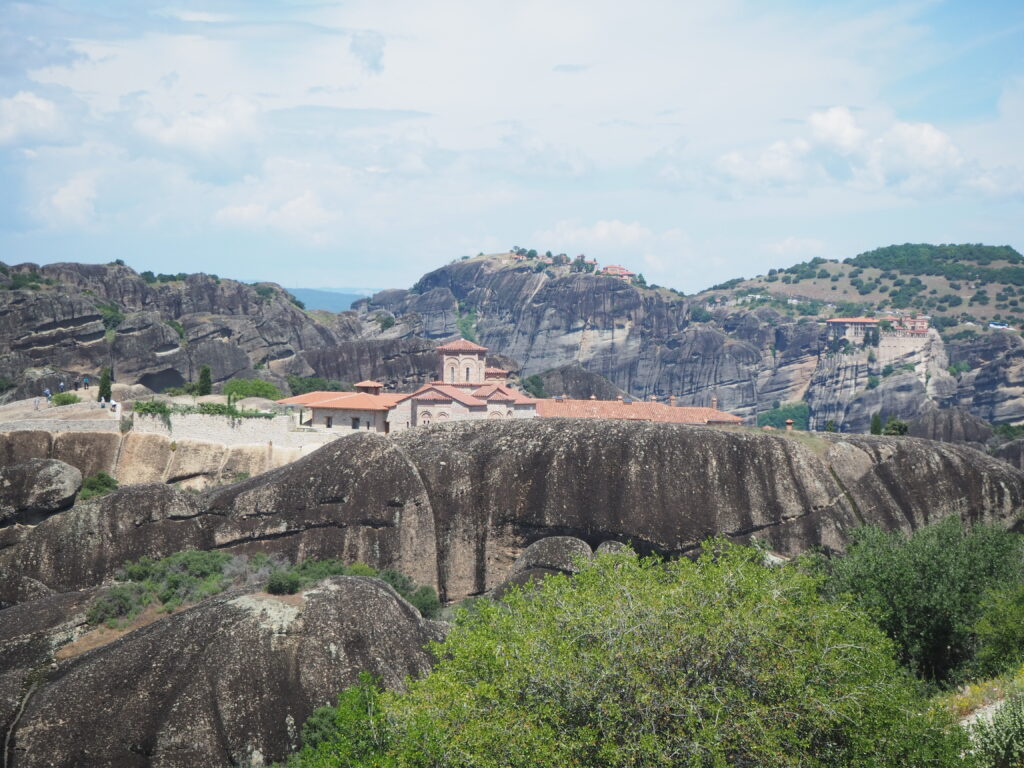
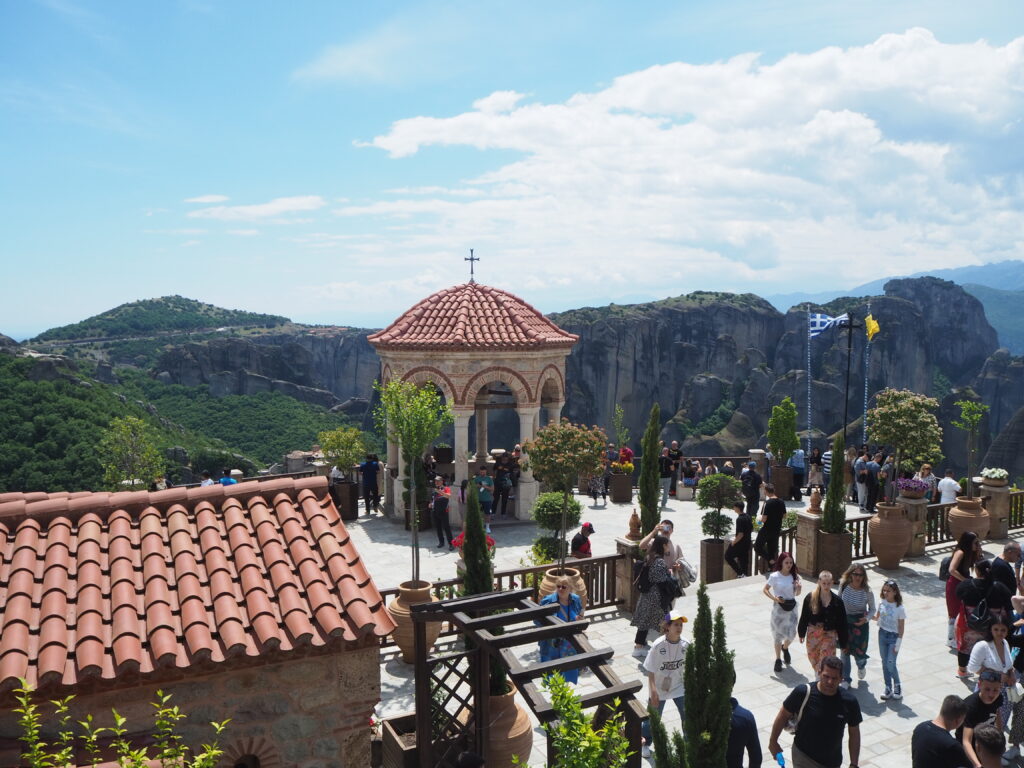
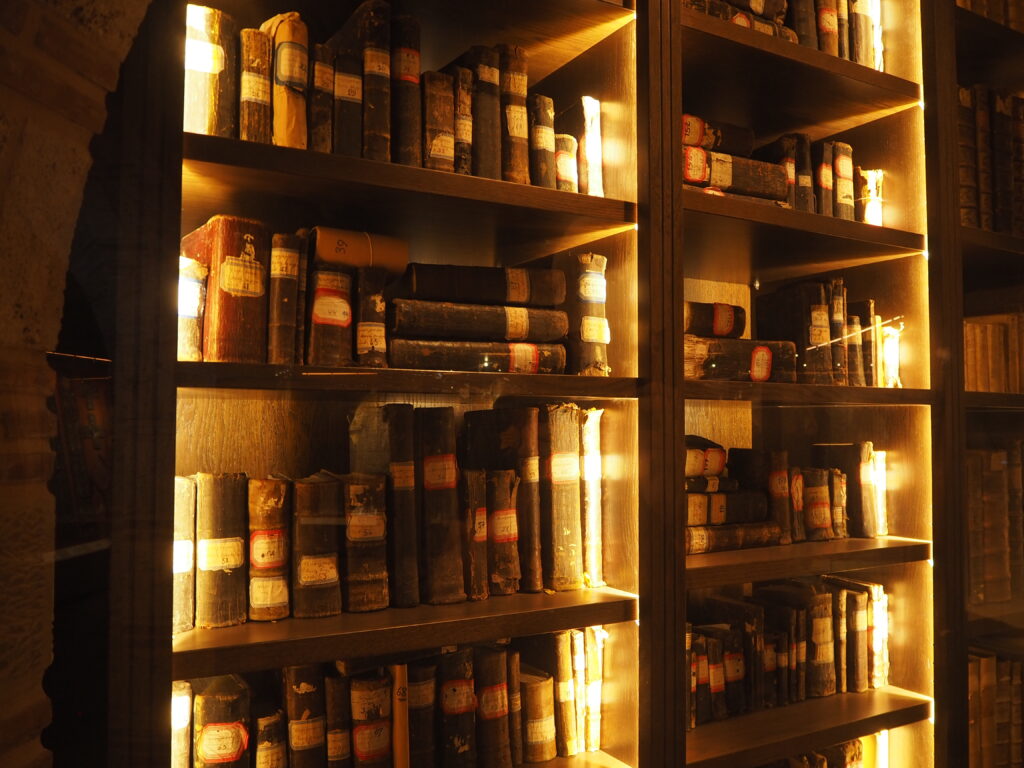
One more monastery, which was that of Varlaam. This one was larger, and required some stairs that were cut into the rock to go up. Again, the interior and courtyard were beautifully well kept, and slightly modernized. Many historical relics still exist at this monastery though. I assume they are replica’s. There was an old water storage barrel that we saw, and the net and pulley system. The views and flowers were again really lovely.
At each of these monasteries, of course, is a church. These seemed to be the most crowded parts, so we breezed through them quick. They did have their collection of art and wood throughout.
Being at the monasteries was wonderful. This little corner of the world is one of the most unique and beautiful places that we have been. They just fit so perfectly on each of their rocks, and they truly look like they belong where they do.
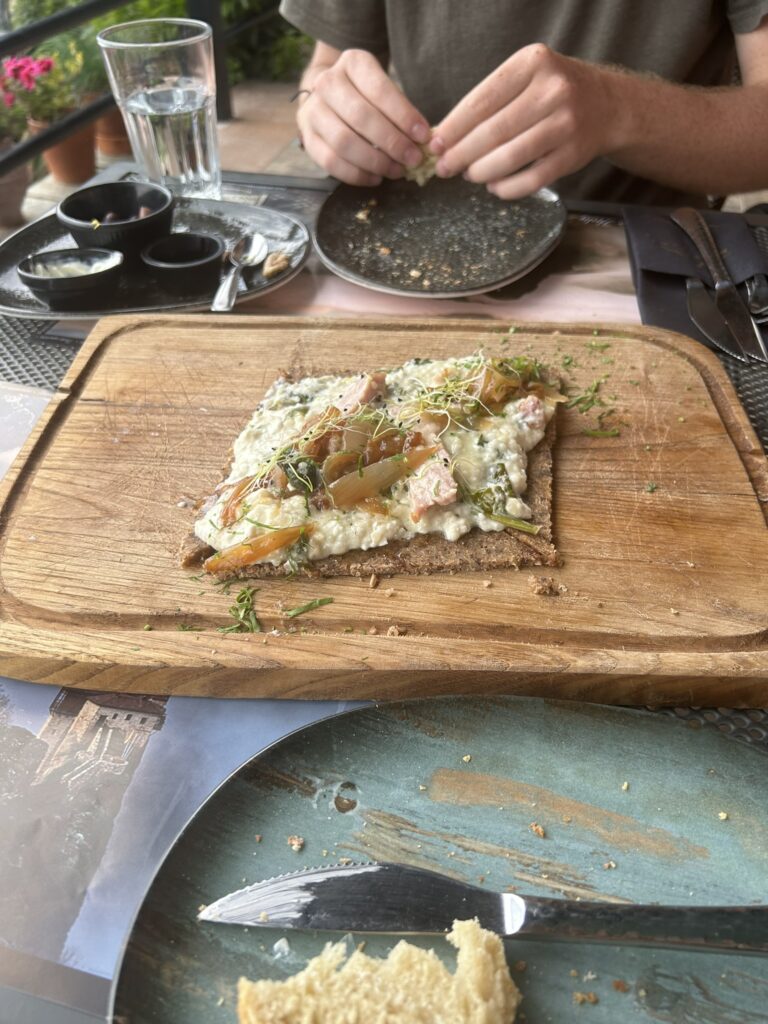
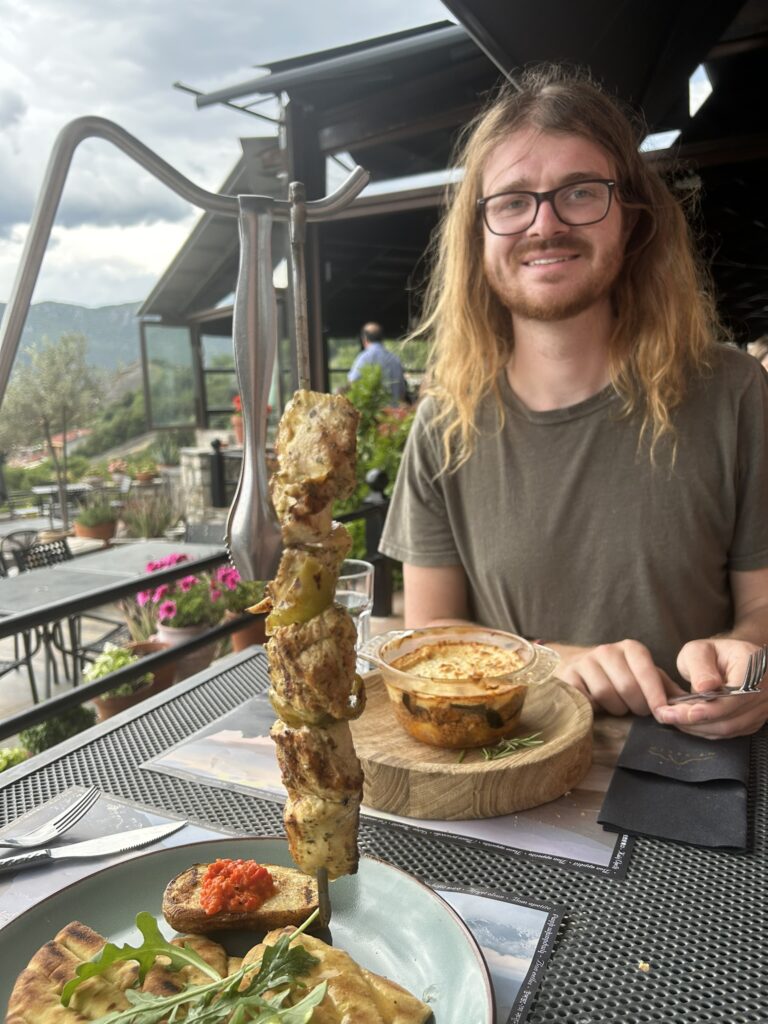
But the day wasn’t over yet! We had lunch in Kalabaka, and this was a top five meal of our entire trip. There was some bread with a lovely basil and yogurt dip to start. Then a traditional Greek pasta (which isn’t pasta as far as we could tell), with all sort of delicious ham and apricot and cheese and what not on a linseed bread. The mains were a chicken souvlaki skewer and moussaka. Both of which were great. The Mousakka had a slightly different flavour than we were expecting. We think there was allspice added, but we could be wrong.
Dessert was a free ice cream. All restaurants (or tourist ones at least) all give a dessert on the house. What a great tradition. The olives too that come are free. And even though we are not olive people, they are edible, which is the best compliment I have ever given an olive.
The drive back was fine, and we made ourselves a gnocci dinner in Thessaloniki. It didn’t compare to our lunch, but it was nice to cook again.
Just one more stop in Greece, and its going to be a haymaker of a day. We will see you there!